Product Description
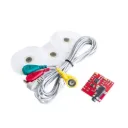
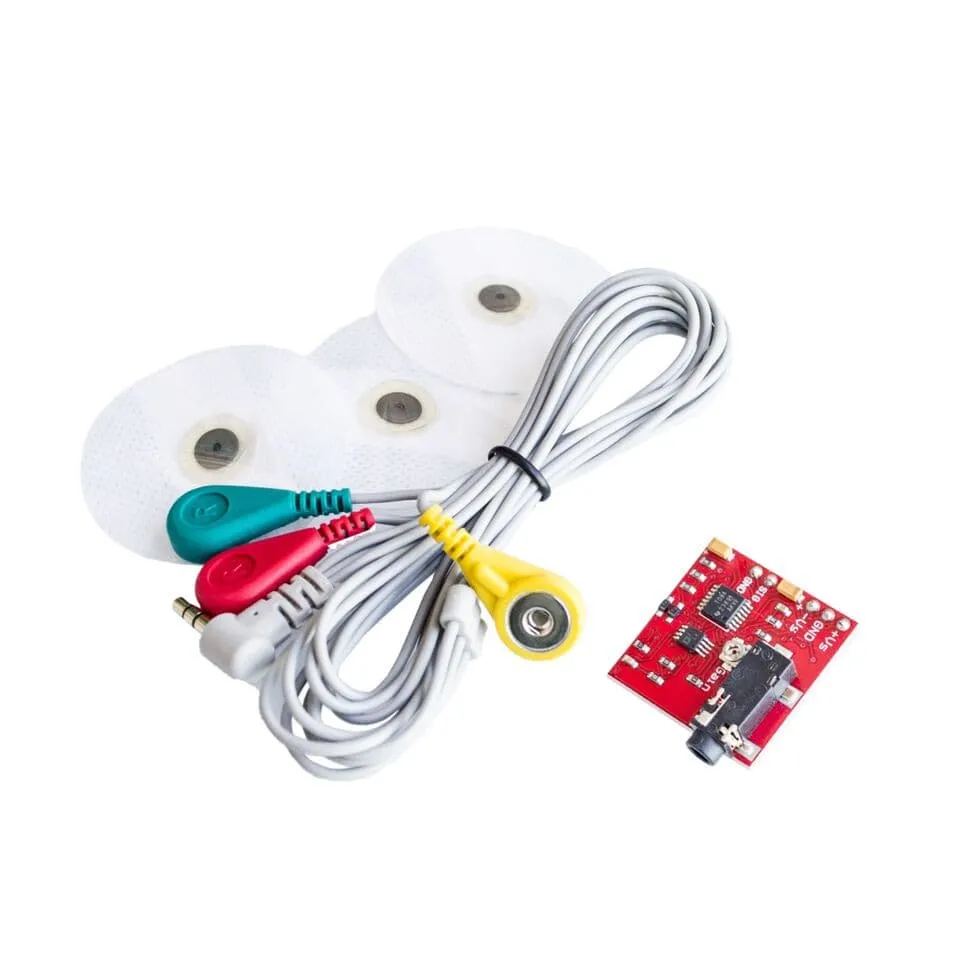
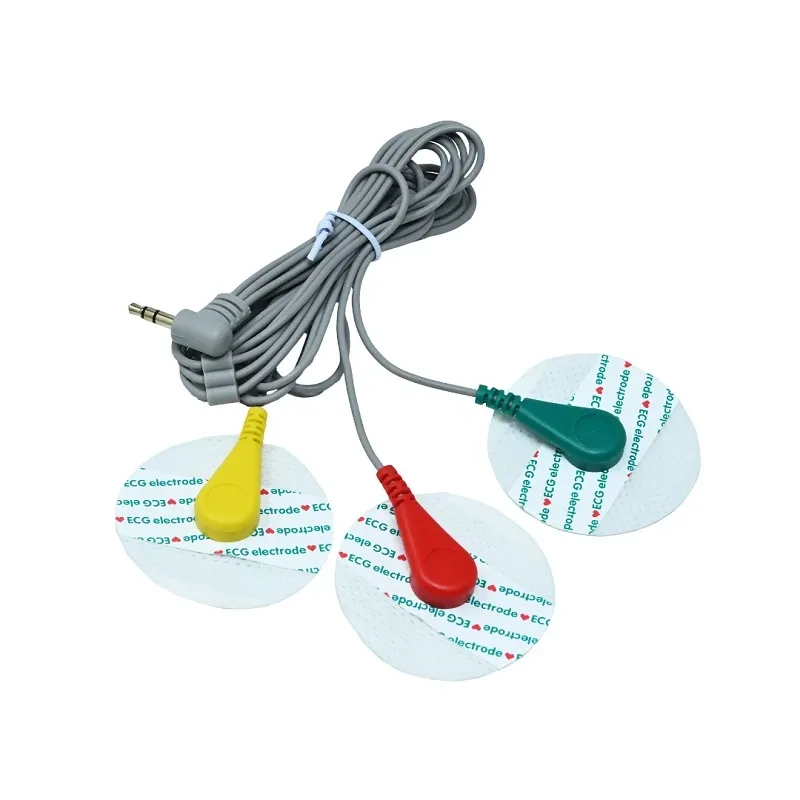
The EMG Muscle Sensor V3.0 is a ready-to-use electromyography sensor module designed to detect electrical activity produced by skeletal muscles. This sensor measures the voltage generated when muscles contract, making it ideal for biofeedback systems, prosthesis control, gesture systems, rehabilitation interfaces, robotics, and interactive wearables. The module includes a connection cable and adhesive electrodes for attaching to skin safely.
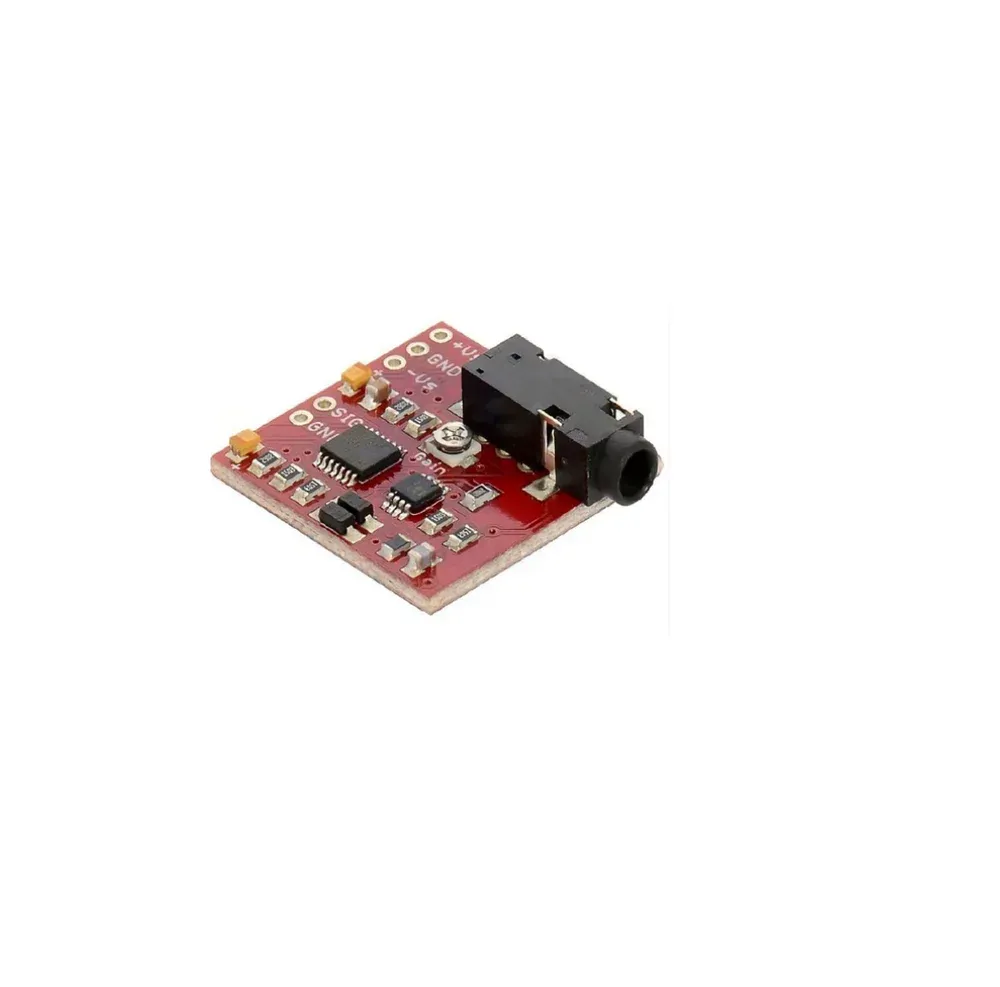
This sensor outputs analog signals representing muscle activity, which can be read by analog-capable microcontrollers like Arduino, ESP32, STM32, and others. With onboard amplification and filtering circuitry, it produces stable signals suitable for real-time muscle detection and control applications.
Key Features
Detects muscle electrical activity (EMG)
Provides analog output for microcontrollers
Includes 5-wire cable and electrodes for attachment
Onboard signal amplification & filtering
Adjustable gain potentiometer
Easy-to-use with Arduino/ESP32/MCU boards
Useful for biofeedback, prosthetics research, gesture control
Package Includes
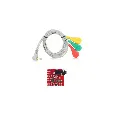
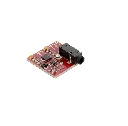
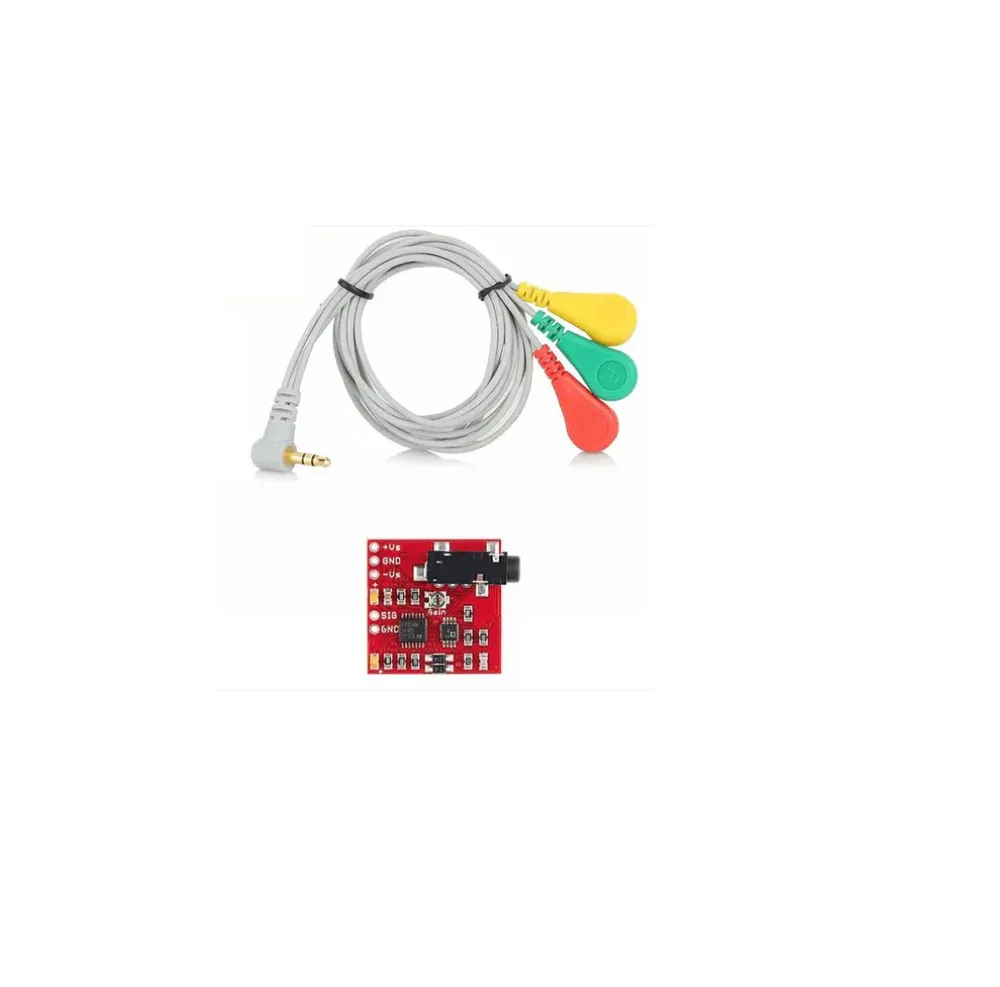
1 × EMG Muscle Sensor V3.0 board
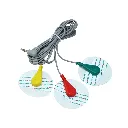
1 × Connection cable (5 wires)
2 × Adhesive electrodes
Technical Specifications
Parameter | Specification |
Sensor Type | Electromyography (EMG) |
Output | Analog voltage proportional to muscle activity |
Power Supply | ~3.3 V – 5 V DC |
Interface | Analog signal to microcontroller ADC |
Electrodes | Adhesive disposable pads included |
Gain Control | Adjustable (onboard) |
Compatible With | Arduino / ESP32 / STM32 / PIC |
Board Dimensions | ~40 × 30 mm (approx) |
Applications
Muscle-controlled robotics
Prosthetic limb signal interfaces
Wearable biofeedback systems
Rehabilitation & health monitoring
Gesture recognition and interactive control
Biomedical signal acquisition projects
Brain-computer / body-computer experiments